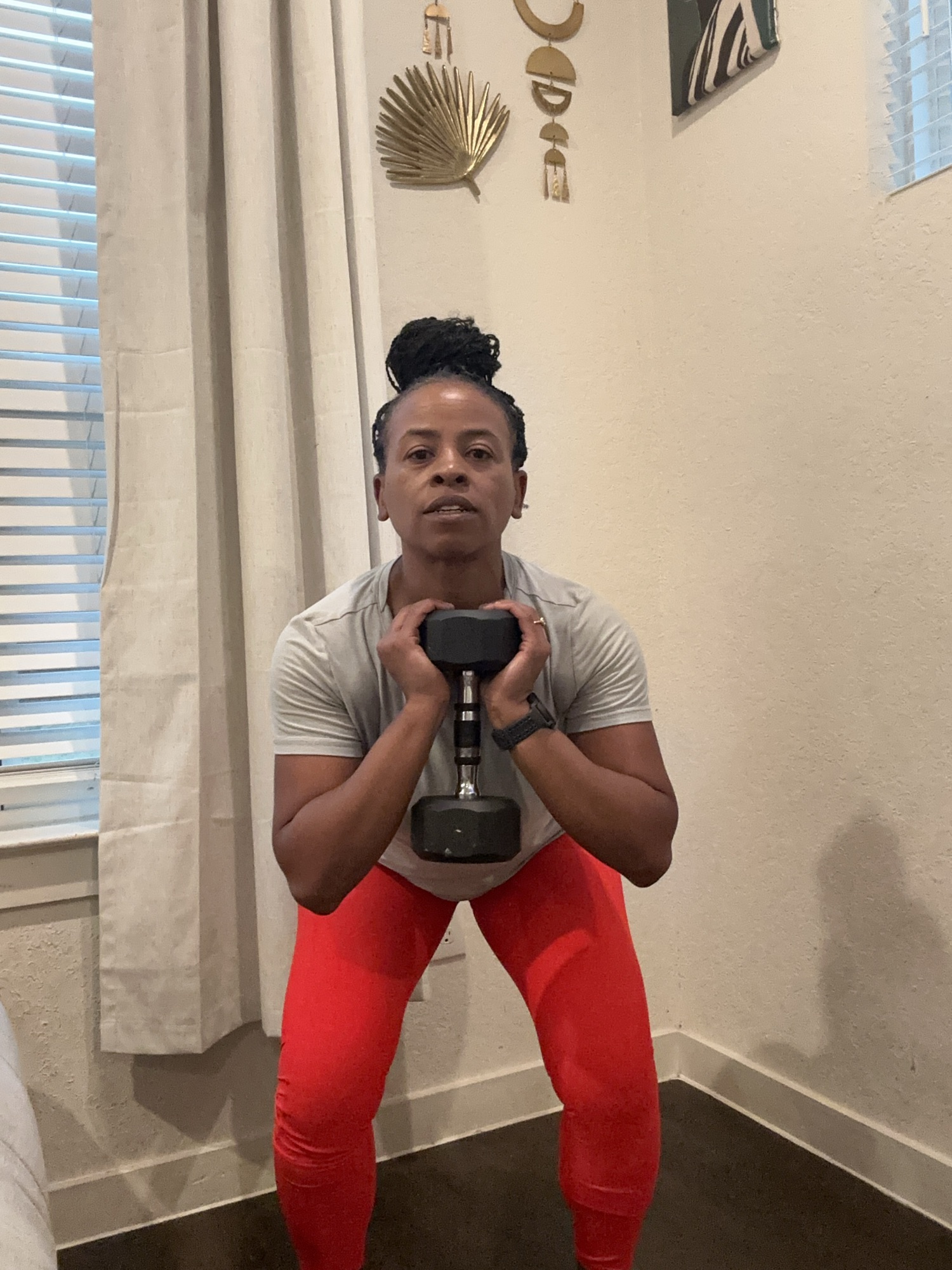
Tag: strength training for women

  • Why Lifting Weights is Non-Negotiable After 40 (And How to Start Safely)

    Why Lifting Weights is Non-Negotiable After 40 (And How to Start Safely)

    There is a sneaky myth out there that as we move into midlife and perimenopause, our fitness should become gentler, slower, and entirely focused on long stretches of intense cardio. We are told to lace up our running shoes or jump on a spin bike for 45 minutes to “sweat it out.”

    But if you’ve tried that lately, you might have noticed something frustrating: instead of feeling energized, you feel completely exhausted. Your joints ache, your brain fog feels heavier, and you might even be gaining stubborn weight around your midsection despite doing everything “right.”

    When I believed that myth, I was doing 45 minutes to an hour of cardio everyday. Then napping the rest of the day. I also noticed no difference in how my clothes were fitting. I knew something had to change.

    Here is the truth the mainstream fitness industry misses: when estrogen drops, our body’s rules change.

    In midlife, endless high-intensity cardio spikes our cortisol (the stress hormone), which triggers inflammation and tells our body to hold onto fat for survival. To protect our health, boost our metabolism, and feel at home in our skin again, our fitness needs a shift.

    Lifting weights isn’t just a recommendation anymore. It is completely non-negotiable. It wasn’t until after I put strength training at the forefront of routine when I noticed I change. In my body and how I felt.


    The Midlife Shift: Bones, Joints, and Estrogen

    Estrogen is a powerhouse hormone. Throughout our lives, it acts as a natural protective shield for our bones and our joints. It helps maintain bone density and keeps our joints lubricated and cushioned.

    As we enter perimenopause and midlife, that estrogen shield naturally begins to drop. Without it, our bone density can decline, and our joints become more vulnerable to aches, stiffness, and injury.

    This is where strength training steps in as your ultimate defense system.

    When you lift weights, you aren’t just building visible muscle. You are sending a direct signal to your body to preserve and strengthen your bone matrix. Resistance training puts a safe, healthy stress on your bones, forcing them to rebuild denser and stronger. It also strengthens the muscles surrounding your joints, creating a built-in support system that keeps you moving pain-free.


    The Blueprint: How to Find Your Safe Starting Weight

    The biggest roadblock keeping most women from starting a strength routine is simply not knowing where to begin. You walk into a gym or look at a rack of dumbbells at home, and you see two extremes: tiny 2-pound pink weights or heavy 15-pound dumbbells.

    Grabbing weights that are too light won’t give your muscles the signal they need to grow. But jumping straight to weights that are too heavy can trigger acute joint strain and spike your nervous system’s stress response.

    To find your perfect sweet spot, use 

    The 2-Rep Rule:

    Pick up a pair of dumbbells (for most women starting out with upper-body movements like shoulder presses or rows, this magic number is right between 5 to 8 pounds). Perform a set of 10 repetitions with slow, controlled form.

    • If you breeze past 12 reps without your muscles feeling tired, the weight is too light.
    • If your form breaks or your joints pinch before you hit rep 8, it’s too heavy.
    • The Sweet Spot: Choose a weight where reps 10 and 11 feel genuinely tough, but your form remains absolutely flawless.

    Clean Recovery: Supporting Your Muscles from the Inside Out

    Building lean muscle stability requires more than just moving your body; it requires giving your cells the clean internal support they need to rebuild.

    As our muscle mass naturally wants to decline in this stage of life, meeting your daily protein requirements becomes essential. However, many conventional protein powders on the market are packed with artificial fillers and dairy bases that lead to uncomfortable digestive bloat.

    That is why clean, easily digestible nutrition is essential. Incorporating a high-quality, whole-food-based protein into your daily routine provides the exact amino acids your body needs to repair muscle tissue and support joint health, without any of the digestive distress.

    A single scoop mixed into a simple post-workout smoothie or shaken up with water is a seamless way to guarantee your body has the raw materials it needs to recover cleanly and efficiently.

    I put a single scoop of Ancient Nutrition Collagen + Creatin powder in water with a lemon squeeze. It’s currently my favorite lemonade.

    Disclaimer: This post contains affiliate links. If you make a purchase through these links, I may earn a small commission at no extra cost to you.


    Your Next Step to a Quiet Rebuild

    Restarting your fitness journey after 40 isn’t about exhausting yourself or punishing your body. It is about a quiet, intentional rebuild. It’s about protecting your spine, strengthening your bones, and cultivating the functional power you need for real, daily life.

    Start small, focus on controlled form, and give your body the time it needs to adapt. Consistency beats intensity every single time.

    Ready for a complete, guided routine? 

    This Thursday, I am dropping a full, joint-safe Upper Body & Core longform workout routine right here on the channel. We will walk through the movements together, focus on flawless form, and build a strong foundation safely.

    Make sure to subscribe to our newsletter and channel so you don’t miss it!


    Disclaimer: I am a certified personal trainer, but I am not your doctor. Always consult with a healthcare provider before starting a new exercise program, especially if you are navigating injury or significant structural changes.
  • Creatine + Collagen, Treadmill Miles, and Strength: What I’m Doing to Rebuild Quietly

    Creatine + Collagen, Treadmill Miles, and Strength: What I’m Doing to Rebuild Quietly

    Disclosure: This post contains affiliate links. If you buy through them, I may earn a small commission at no extra cost to you. I only share what I actually use.

    Why I started

    In midlife, recovery and strength matter more than they used to. My 20s were different I would’ve tried any new gimmick that came along. By the time I hit my 30s, I knew the gimmicks were just that. So in this current season of my life, I wasn’t looking for a miracle. I wanted something simple that supports the work I’m already doing: lifting, walking, running, and showing up consistently.

    What I’m taking

    One product that has been heavy in rotation for me is the Ancient Nutrition’s creatine + collagen. I shared how I take it in a quick reel, which you can watch here. Here’s why I like having both in one scoop:

    • Creatine is one of the most researched supplements for strength and lean muscle, especially when paired with resistance training. Many women in perimenopause and beyond use it for that reason.
    • Collagen may support joint comfort and skin for some people. The research here is more mixed, so I see it as a nice extra, not the main event.

    Neither one replaces training, protein, sleep, or rest. They’re small supports, not shortcuts. And if you have a medical condition or take medication, check with your doctor first.

    Get Ancient Nutrition creatine + collagen here

    How it fits my week

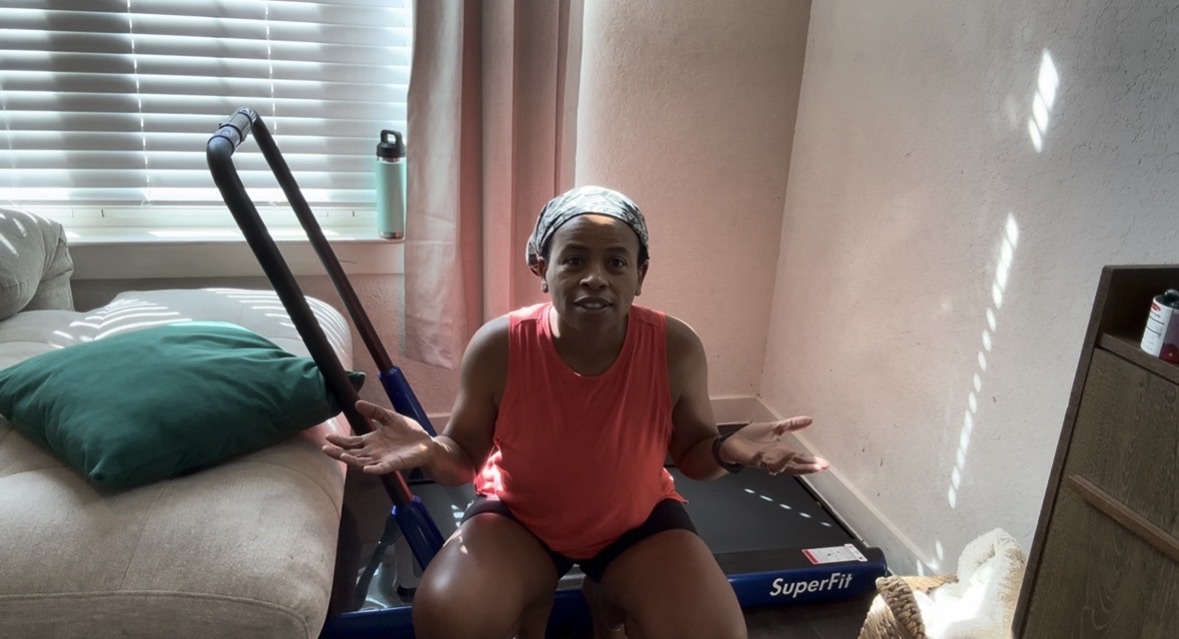
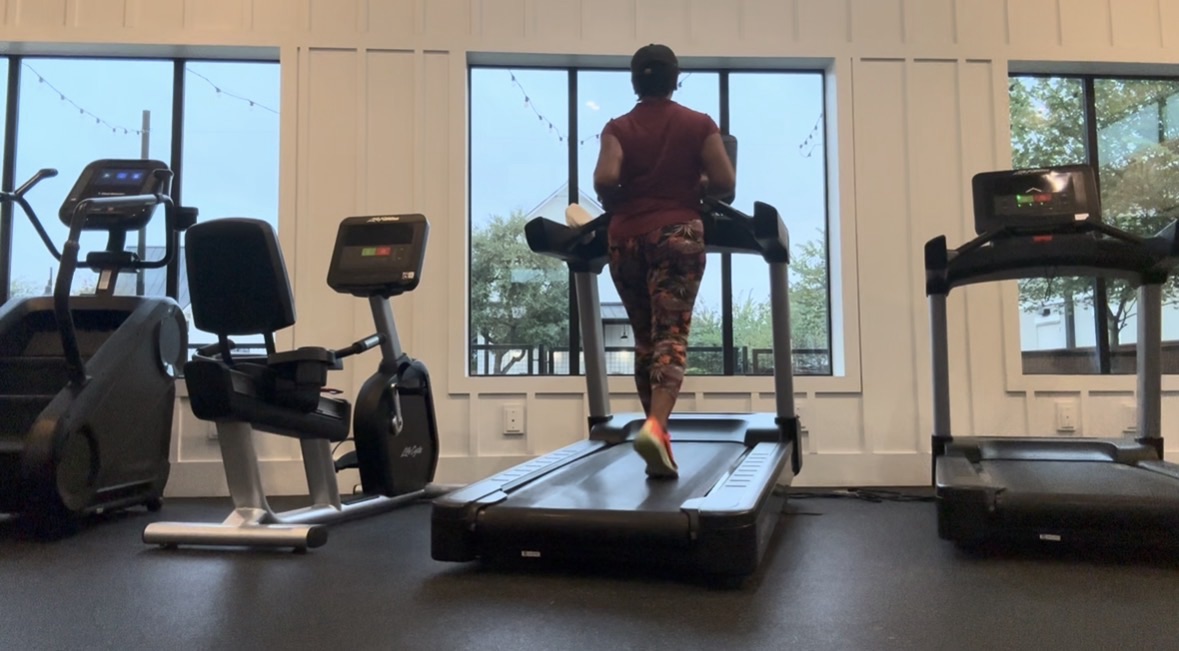
    Cardio and strength aren’t opposites. On treadmill days I keep the pace steady, then lift to keep building muscle. I walk through the full treadmill routine in my video: 

    I also linked strength training videos you can pair with it.

    A simple way to start

    1. Pick two or three strength days you can actually keep.
    2. Add treadmill time at an easy, conversational pace.
    3. Stay consistent for 4 weeks before judging anything.

    If you want a gentle structure to follow, my Starter Guide is a good place to begin: https://quietrebuildclub.com/free-starter-guide/

    Build in silence. Show up for yourself.

  • Treadmill, Core, and a Few Budget Finds (Plus a Clear Days Update)

    Treadmill, Core, and a Few Budget Finds (Plus a Clear Days Update)

    This post contains affiliate links. If you shop through them, I may earn a small commission at no extra cost to you. I only share things I actually use.

    Some days the plan is simple; move my body. Today I got on the treadmill, then do some core work. No big production, no pressure. Just showing up. That’s what today’s video is.

    I started with an incline walk on the treadmill while holding light dumbbells. To get warmed up, sweat and clear my head, since I was limited on time. Then I went home and got straight into a core session. Nothing fancy. If you’re short on time, you can do either half on its own and still count it as a win.

    Strength and core work matter more as we get older, and they don’t have to be intense to be effective. Consistency beats intensity every time.

    Affordable finds worth sharing

    I picked up a couple of budget-friendly things and wanted to show you what I found:

    • Workout shorts: I found 2 workout tees for $5 each. I love this brand for workout shirts. They are comfortable, stay in place and wash up well.
    • Ankle weights: Danskin 5lb leg weights. I couldn’t find them online anywhere. I linked the closest match I could find. They are an easy way to add a little challenge to core moves without buying more equipment.

    You don’t need to spend a lot to rebuild your routine. Start with what’s affordable and what you’ll actually use.

    A quick unboxing

    I also opened a Tubby Todd order on camera. I’m officially part of the Tubby Todd Squad! They gifted some new items and they were impressive. If you want to check them out, shop Tubby Todd here and get 10% off.

    A note on Clear Days

    The Clear Days series has come to an end. Thank you for watching, for sharing your own foggy days, and for showing up for this. I’m working on a new video that will help if you don’t know where to start.

    Watch the full video above, and if you’d like to keep building with me, get the Starter Guide.

    Build in silence. Show up for yourself.

  • Why You Gain Weight in Perimenopause Without Changing Anything

    Why You Gain Weight in Perimenopause Without Changing Anything

    You haven’t changed what you eat. You haven’t stopped moving. And yet the number on the scale, or the way your jeans fit, is different than it was two years ago. If you’ve been quietly wondering what you did wrong, I need to tell you something: you didn’t do anything wrong.

    This is one of the most common things I hear from women in this community, and it’s rarely talked about honestly. So let’s talk about it plainly. Here’s the actual science of what’s happening in your body right now.

    Your Hormones Are Running the Show Not Your Willpower

    During perimenopause, estrogen doesn’t just decline; it fluctuates unpredictably. Estrogen plays a role in how your body regulates fat storage and where it stores it. As levels shift, your body tends to hold more fat around the midsection, even at the exact same weight you were before. This isn’t about eating more. It’s a hormonal redistribution.

    At the same time, progesterone, which has a natural calming, water-balancing effect, often drops earlier and faster than estrogen. Lower progesterone can mean more water retention, more bloating, and more inflammation. None of that shows up on a nutrition label.

    Cortisol Is Quietly Working Against You

    Many of us are running on high cortisol without even realizing it. Poor sleep, caregiving load, work stress, and the hormonal shifts themselves all elevate it further. Just learning about this has helped me give myself more grace when I feel overwhelmed.

    Cortisol signals your body to hold onto fat, particularly around the abdomen, as a protective response. It’s biology reacting to a genuinely demanding season of life.

    Insulin Sensitivity Changes, Too

    As estrogen declines, your cells can become less responsive to insulin, meaning your body has to work harder to manage blood sugar. This can lead to more fat storage and more energy crashes even when your meals haven’t changed at all. This is exactly why strength training matters so much right now: it’s one of the most effective tools for improving insulin sensitivity during this transition.

    So What Actually Helps?

    Not a 30-day fix. Not cutting calories further that often backfires by adding more stress to an already taxed system. What helps is steady strength training, protein at each meal, consistent sleep and wake times, and giving your nervous system real recovery. Slow and sustainable. It’s unglamorous but it works with your biology instead of against it.

    → Download the free guide: https://quietrebuildclub.com/free-starter-guide/

    The Real Takeaway

    If your body feels different and nothing you’re doing has changed, that’s not a mystery: it’s perimenopause. You’re not failing at maintaining your body. Your body is adapting to a completely different hormonal environment than it had at 30, and it deserves a different approach, not more punishment.

    You’re not starting over. You’re starting from experience and this time, you get to work with your body instead of against it.

    Kristie

    Build in silence. Show up for yourself.

    Welcome To Quiet Rebuild Club.

    Disclaimer: I’m not a doctor or medical professional. This post shares general information based on personal experience and public research, not medical advice. Please talk to your healthcare provider about your individual symptoms and needs.