Tag: Clear Days series

  • 5 Tricks I Use to Remember Why I Walked Into a Room

    5 Tricks I Use to Remember Why I Walked Into a Room

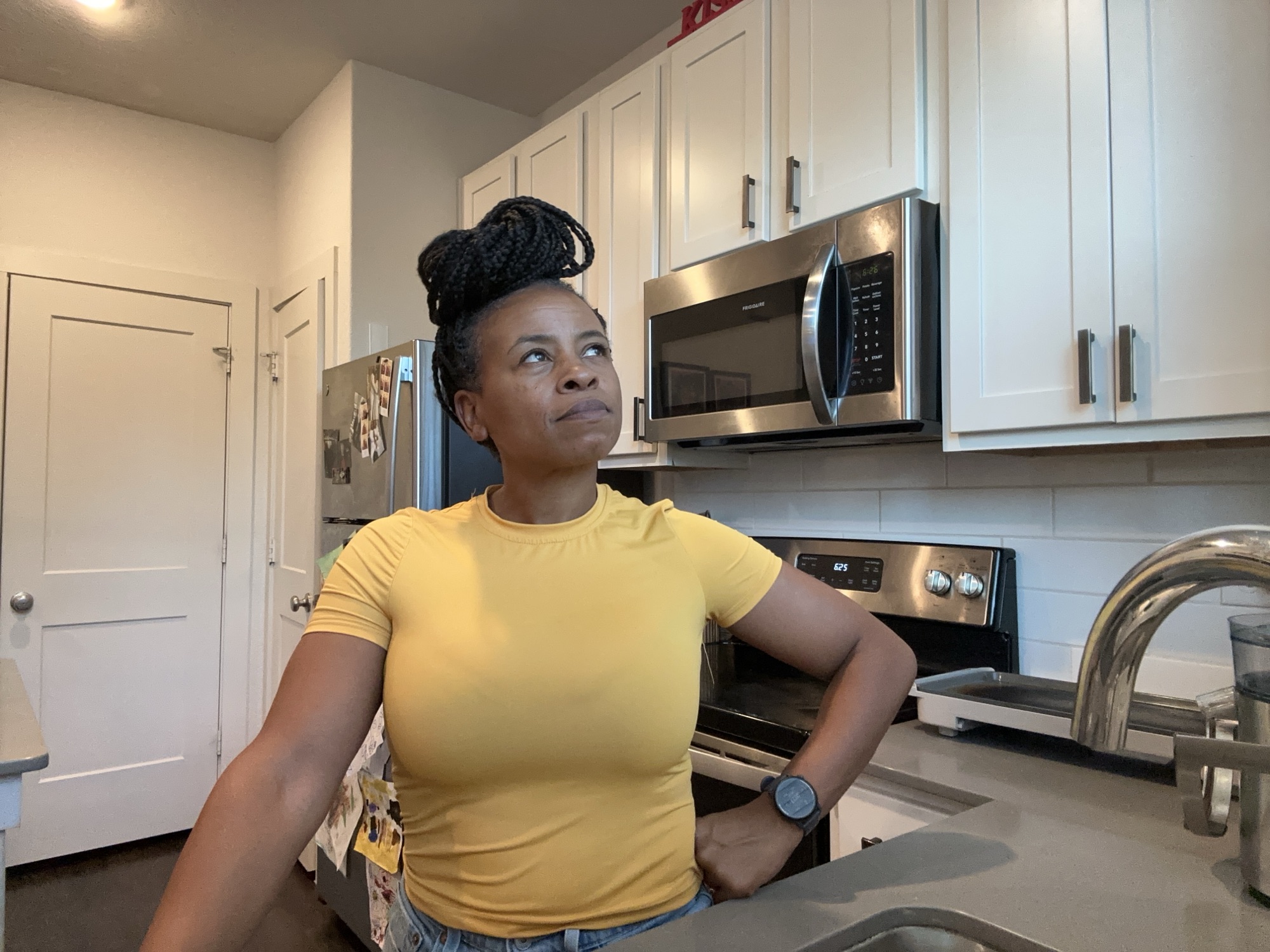
    You already know the feeling. You’re in the kitchen and you have absolutely no idea why. I talk about that moment in this week’s episode, but I wanted to actually write some tricks to use to get out of it, because a video’s not always the easiest thing to reference when you’re standing there mid-fog trying to remember what you came in for.

    1. Say Your Destination Out Loud Before You Move

    Before you get up, say the task out loud; even just to yourself. “Going to get my phone charger.” It sounds silly, but verbalizing it locks it into working memory in a way that just thinking it doesn’t.

    2. Walk Backward to Where You Started

    This one actually has research behind it. Returning to the room or spot where the thought first occurred to you often triggers the memory back your brain associates the thought with the environment it happened in, not the one you walked into.

    3. Keep a Running Note on Your Phone Lock Screen

    Not an app, not a to-do list; just a single note. Title it “Right Now” and you update it the second a task pops into your head. It takes five seconds and means you’re never relying on your memory to hold more than one thing at a time.

    4. Touch Something Related to the Task

    If you’re heading somewhere to grab an item, physically touch something connected to it. Like before you leave the house touch your keys if you’re headed out the door, touch the laundry basket if you’re headed to the washer. It gives your brain a physical anchor instead of an abstract one.

    5. Stop Multitasking the Walk

    This is the one that is actually the hardest one for me. I’m always thinking about 20 different things. But if you’re thinking about 20 other things while you walk to another room, you’re overwriting the task before you even get there. Walk with the one thought, and only that thought.

    None of This Means Something Is Wrong With You

    These moments are common. I know they are frustrating but they are completely normal for where a lot of us are in life right now. The tricks help but so does just knowing you’re not the only one standing in a doorway laughing at yourself.

    If you want a simple place to start rebuilding beyond just the mental fog like strength, energy, sleep, all of it; the Starter Guide walks you through it.

    👉🏾 Midlife Starter Guide

    Build in silence. Show up for yourself.
  • Why You Forget Words Mid Sentence

    Why You Forget Words Mid Sentence

    You’re mid-sentence. The word is right there, you see it, you know but then it’s just… gone. You laugh it off, or you don’t. Either way, it happens again tomorrow.

    If this sounds familiar, you’re not losing your mind, and you’re definitely not alone. This is one of the most common things I hear from women in this community, and it’s the topic that resonated more than anything else I’ve made. So, let’s actually talk about it.

    What’s Actually Happening

    Midlife brings hormonal shifts, particularly drops in estrogen, that affect the parts of the brain responsible for word retrieval and working memory. This isn’t a sign that something is fundamentally wrong with you. It’s a physiological shift and it’s happening to a lot of us at the exact same stage of life. Unfortunately, it’s usually all at once and usually quietly.

    Add in the 3am wake ups, stress, and the load most of us are carrying and the fog makes a lot more sense. Your brain isn’t broken. It’s busy due to a lack sleep and adjusting to new hormonal patterns.

    Why It Feels So Scary

    It’s about what forgetting it seems to mean. When it first started happening; I felt like I you’re slipping and getting older. That fear is heavier than the moment itself.

    What Actually Helps

    A few small things that make a real difference, without turning into one more thing on your to-do list:

    ● Slow down before you speak. There’s nothing wrong with taking a pause.

    ● Move your body daily, even briefly. Movement supports blood flow to the brain and measurably helps with clarity.

    ● Protect your sleep like it’s non-negotiable, because it is.

    ● Name it out loud with people who get it. Saying “brain fog moment” out loud takes away most of its power.

    You’re Not Alone in This

    This is the first post in a short series I’m calling Clear Days, where we’re working through brain fog, the 4am wake-ups, and the moments when your mind just won’t cooperate. We can do it together, without the hype and without pretending it isn’t real.

    If you caught the first episode on YouTube, this picks up right where that left off. If you haven’t yet, it’s a good place to start.

    Build in silence. Show up for yourself.

    I’m not a doctor or coach, just sharing I’m learning on this midlife journey.